
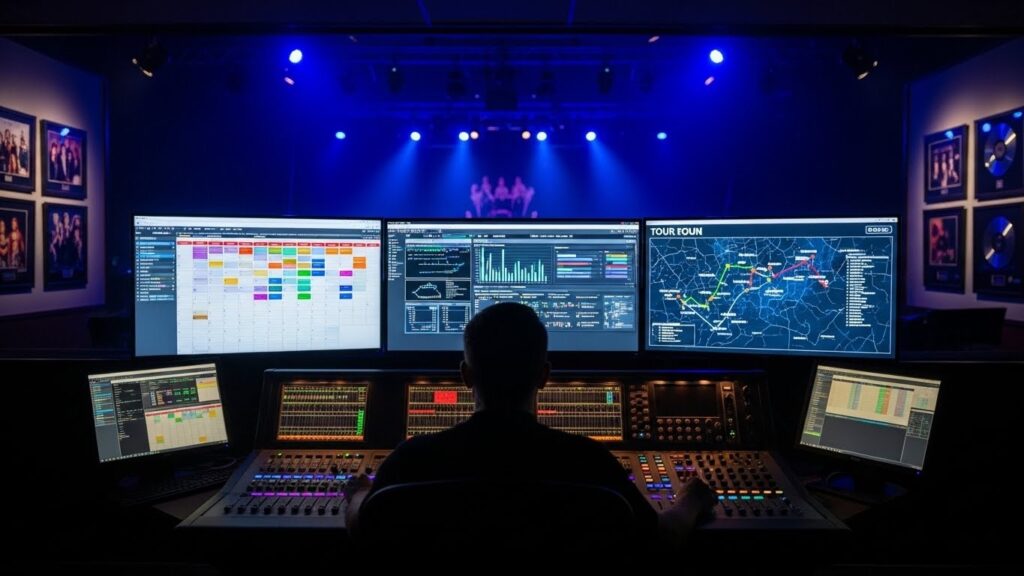
 Live sound for a community music event should support clear performances and understandable announcements across the audience area. Prepare an input list, agree the stage layout and rehearse the changes between acts before guests arrive. The right plan gives musicians and organizers a shared understanding of what will happen on stage.
For readers of Voices Against AIDS, that means considering the musical program alongside the people presenting it. A singer, a host and a group discussion may each need a different microphone arrangement.
Plan Live Sound From an Input List
An input list records each sound source that must reach the mixing desk. Yamaha’s sound check guidance recommends identifying the instrument, mixer channel and connection type before the session begins.
Its guidance also recommends a stage plot showing where performers, microphones and monitors belong. Use matching labels on both documents so the crew can connect the written plan to the physical stage.
Microphone distance matters during that preparation. DPA’s guide to close miking explains that bringing a microphone closer to its source can reduce the gain required and help limit feedback.
Ask each act for its requirements in advance. Record who brings instruments, microphones and cables, then resolve any missing items before loading begins.
Match the System to the Program and Room
The sound proposal should reflect the performers, audience layout and venue. Yamaha’s sound reinforcement guidance emphasizes matching the design to the event’s scale and content.
For a California event, send the program and stage plan to All American Audio Visual Event Solutions when discussing production support. Explain whether the event includes acoustic music, amplified instruments, recorded tracks or spoken introductions.
When reviewing sound system packages for live events in Los Angeles, ask the supplier to explain the proposed coverage and connections. Confirm the operator, rehearsal arrangements and any equipment needed for changeovers.
Make those questions part of the booking discussion. An equipment list alone does not explain who will manage the sound when a performer or host steps onto the stage.
Rehearse the Handover Between Music and Speech
A useful rehearsal tests the sequence the audience will hear. Include announcements and performer changes as well as complete songs.
Use this illustrative check sequence as a starting point:
- Confirm each connection and microphone separately.
- Listen to the performers together and review the balance.
- Rehearse the host’s introduction and any audience questions.
- Practice the changeover to the next act.
This is a suggested workflow, rather than a fixed timing standard. Allow the crew to adapt it to the actual program and venue access.
DPA author Eddy Bøgh Brixen recommends listening to the individual source and exploring microphone positions. Give the engineer time to make those checks instead of expecting one placement to suit every instrument.

Check What the Audience Will Hear
Listen from several audience positions during rehearsal. Ask the engineer to review speech clarity and the musical balance from those locations.
Confirm how performers communicate a monitor adjustment. Brief the host on the microphone they will use, and make the person responsible for the next changeover easy to identify.
Ask participants about communication requirements while planning the event. W3C’s accessible events guidance supports arranging appropriate microphones and communication access before the program begins.
Keep the final input list and stage plot available to the crew. If the running order changes, update the shared copy and tell the engineer before the next act begins.
Frequently Asked Questions
What is the difference between an input list and a stage plot
The input list describes the sound connections. The stage plot shows where the performers and equipment sit, helping the crew relate those connections to the room.
Does a small music event still need a sound check
Plan one with the supplier. It provides an opportunity to check connections, microphone positions and announcements before the audience enters.
Should the host rehearse with the musicians
The host should rehearse the relevant handovers. Test their introduction microphone and agree how they know the crew is ready for the next act.
What should organizers confirm before booking sound equipment
Confirm the venue, program, audience arrangement and performer requirements. Ask who supplies, sets up and operates the equipment, and how changes will be handled.
Agree the Plan Before the First Performance
Collect the performers’ requirements, check the sound from the audience area and rehearse the handovers. Give the crew one current running order so the music and announcements can follow the same plan.